Do small teeth make you shy away from showing off your smile? Small teeth, or microdontia, can affect your smile’s appearance and teeth function. This condition may result in gaps, an uneven smile, or a “gummy” appearance due to the disproportion between teeth and gum tissue. With today’s advancements, you can now choose from various treatments that can address this, including veneers.
If you’re one of those who face the same problem, you can learn how veneers can address your concerns as you read through our guide.
Understanding Small Teeth
As mentioned, small teeth are those that appear noticeably shorter or smaller compared to the usual tooth size. This can create gaps and make your smile look uneven or less full. Additionally, people with small teeth may develop what is known as a “gummy smile,” where more gums are visible when smiling due to the shorter tooth size.
People with small teeth often find that their teeth don’t fill the space available in their mouths. This can affect both the aesthetic appearance and the functionality of their smile, making daily actions like eating and speaking more challenging.
Causes
Understanding the potential causes behind this condition is important, as this knowledge can help identify possible solutions to achieve a more balanced and attractive smile.
- Genetic Factors. Your genes can play a big role in determining natural tooth structure and size. Hereditary conditions like microdontia (abnormally small teeth) can affect single teeth, several teeth, or all teeth in the mouth. If small teeth run in your family, you might inherit this feature.
- Developmental Issues. Problems during tooth development can lead to smaller teeth or weak enamel, making them prone to wear and tear.
- Wear and Tear. Everyday habits like grinding your teeth or eating acidic foods can gradually wear down the surface of your teeth, making them look smaller over time and resulting in misshapen teeth.
- Proportional Illusion. Sometimes teeth may appear small due to excessive gum tissue (gingival display) or a disproportionately large jaw, creating the illusion of smaller teeth even when they’re of normal size.
- Congenital Conditions. Some systemic conditions, such as Down syndrome, ectodermal dysplasia, or pituitary growth hormone deficiencies, may be associated with smaller-than-average teeth.
Impact on Appearance and Self-Esteem
Here are some ways that small teeth can impact your life:
- Facial Aesthetics. Smaller teeth can disrupt the balance of your facial features, leading to a smile that may not be as vibrant or full as you’d like.
- Confidence Challenges. Concerns about how your teeth appear can make you feel less confident and hesitant to smile freely.
- Social Interactions. Being self-conscious about your smile can lead to anxiety or discomfort in social settings, making it harder to engage with others.
- Adaptive Behaviors. Many people with dental aesthetic concerns develop unconscious habits like covering their mouth when speaking or smiling with closed lips, which can eventually become ingrained behaviors that limit natural expression.
Common Issues Associated with Small Teeth
Small teeth can lead to a variety of challenges beyond just aesthetics. Here are some common issues that those with small teeth might experience:
- Spacing Problems. Gaps between teeth can lead to the buildup of food debris and plaque, which can affect oral health and lead to cavities or gum issues.
- Functional Limitations. Irregular tooth surfaces may reduce chewing efficiency, making it difficult to break down food effectively.
- Speech Affectations. Smaller or irregularly sized teeth can impact speech, making certain sounds or pronunciations harder to articulate.
- Increased Wear. Smaller teeth can wear down more quickly because of less surface area and possible uneven pressure distribution during biting and chewing.
- Sensitivity. Exposed areas due to inadequate enamel may result in increased sensitivity to hot or cold temperatures in food and drinks.
What Are Veneers?
Dental veneers are thin, custom-made shells designed to cover the front surface of teeth. They are used to improve the appearance of teeth by changing their color, shape, size, or length. Veneers are a popular cosmetic solution for people looking to achieve a more polished and uniform smile.
There are different types of veneers, each offering unique benefits:
- Porcelain Veneers. These are crafted from high-quality ceramic materials that closely resemble natural tooth enamel. They are excellent for covering imperfections like discoloration, chips, or gaps, providing a long-lasting and natural appearance.
- Composite Veneers. Made from resin, these veneers are a more cost-effective option. They can quickly enhance the color and size of teeth, which is great for minor adjustments and quick fixes.
Why Choose Veneers for Small Teeth?
If you have small teeth, veneers can be a great way to enhance your smile. They offer several advantages that make them a popular choice for improving the look of your teeth. Here’s why many people opt for composite or porcelain veneers for small teeth:
Natural Appearance
Porcelain veneers are a long-lasting treatment that blends seamlessly with your natural teeth. They mimic the look of tooth enamel and provide a very natural appearance, covering imperfections and making teeth look fuller and well aligned.
Quick Enhancement
Composite veneers offer an easy and immediate cosmetic upgrade. They are perfect for those who want to improve their smile quickly without the wait, making them a convenient choice if you’re looking for fast results.
Versatility
Veneers can help with a variety of cosmetic issues, whether it’s covering discoloration, closing gaps, or giving teeth a more uniform look. They adapt to the needs of your teeth, giving you a confident smile.
Durability
Both types of custom veneers are designed to withstand everyday wear and tear. With the proper care, they can last many years, making them a lasting investment in your smile.
The Veneer Application Process
Getting porcelain or composite veneers for small teeth is a step-by-step process that transforms your smile. Here’s how it typically works in a way that’s easy to understand:
- Initial Consultation. Your journey starts with a visit to a cosmetic dentist. During this meeting, you’ll discuss what you want to achieve with veneers, and the dentist will also check whether veneers are a good option for your teeth.
- Tooth Preparation. Before veneers can be applied, a small amount of natural tooth enamel is gently removed from the surface of your teeth. This makes room for the veneer to fit properly and look natural.
- Creating Impressions. Next, the dentist will take impressions or digital scans of your teeth. These images capture the exact shape and size of your teeth, helping to create perfectly fitted veneers.
- Provision of Temporary Veneers. Temporary veneers may be placed on your teeth while you wait for the final ones to be ready. This helps protect your teeth and gives you a preview of your new smile.
- Lab Crafting. The impressions are sent to a dental lab, where skilled technicians create the final veneers. They carefully match the veneers to the color and shape of your natural teeth.
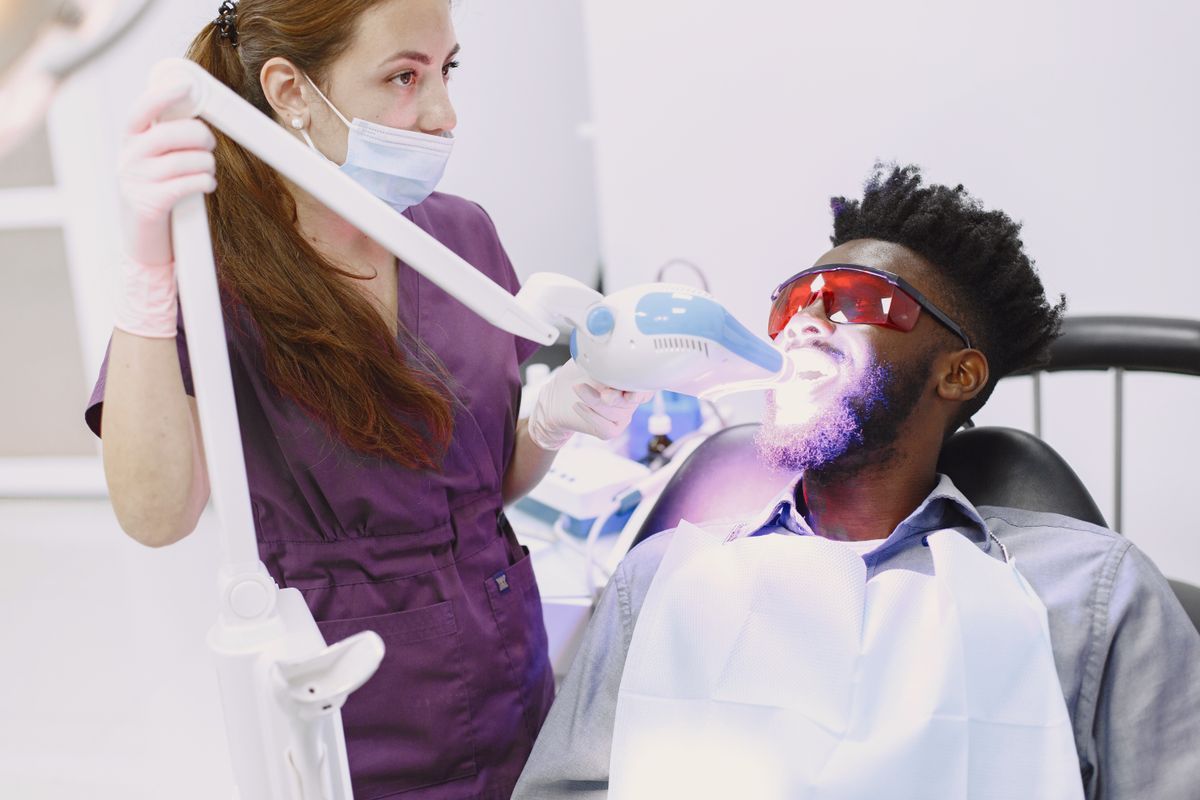
- Veneer Bonding. Once the final veneers are ready, the dentist places them on your teeth using dental cement. A special light hardens the cement quickly, securing the veneers in place.
- Final Adjustments. Last, the dentist makes any final tweaks to make sure your bite feels right and that the veneers fit comfortably. This step helps give you a smooth and polished smile.
Veneers for Small Teeth Cost
When considering veneers for small teeth, understanding the costs involved can help you plan your budget. Here’s a breakdown of what to expect:
- Material Choice. The cost of veneers largely depends on the material. Porcelain veneers are a high-end choice known for their natural look and durability, typically ranging from $800 to $2,500 per tooth. Composite veneers are a more budget-friendly option and generally cost between $250 and $1,500 per tooth.
- Extent of Treatment. The total number of veneers needed will affect the overall cost. More veneers mean a higher price, so it’s important to discuss your specific needs with your dentist to find the best solution for your cosmetic goals.
- Practitioner Expertise. The price also reflects the cosmetic dentist’s skill and reputation. Dentists with extensive experience and a strong reputation may charge more, but they often offer higher-quality work and better results.
Disclaimer. Prices for veneers can vary widely based on location, the specific dental practice, and individual patient needs. It is advisable to consult with a cosmetic dentist for an accurate estimate tailored to your particular case.
Caring for Veneers
Caring for your veneers helps ensure that they look great and last a long time. Here are some simple steps to keep your veneers in top shape:
- Maintain Oral Hygiene. Brush and floss your teeth every day. This helps keep your veneers and the teeth underneath healthy. Use a non-abrasive toothpaste to avoid scratching the veneers.
- Avoid Damaging Habits. Try not to use your teeth to open packages or chew on hard objects like ice or pens. These actions can damage the veneers and affect their appearance.
- Schedule Regular Dentist Visits. Regular check-ups with your dentist are important. These appointments allow for timely interventions if needed and help maintain the overall health of your veneers and natural teeth.
- Protect with Mouthguards. If you grind your teeth at night, consider using a mouthguard. This simple device can protect your veneers from damage caused by grinding or clenching.
Other Alternative Treatments for Small Teeth
While veneers offer a popular solution for addressing the aesthetic challenges of small teeth, other treatments are also worth considering. Here are some alternatives:
Dental Bonding
Dental bonding involves applying a tooth-colored resin to the surface of the teeth to alter their shape, size, or color. It’s an effective option for filling gaps, repairing chips, and making small teeth appear larger. This procedure is generally quicker and more cost-effective than veneers, making it a popular choice for minor cosmetic adjustments.
Crown Lengthening
If excess gum tissue is contributing to a “gummy” smile, crown lengthening may be an appropriate treatment. This procedure reshapes the gums and bone to expose more of the tooth’s surface, making the teeth look longer and improving the overall balance of the smile. It’s particularly effective for those dealing with excessive gingival display.
Orthodontics
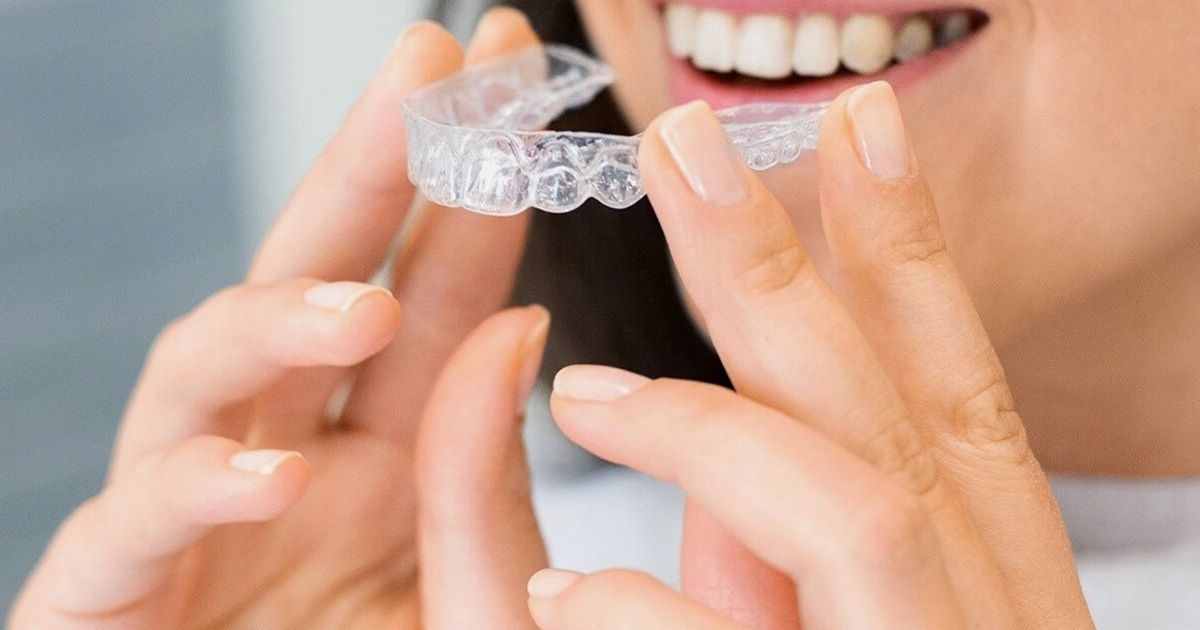
In some cases, orthodontic treatments such as braces or clear aligners (like Invisalign) can help reposition teeth for a more balanced smile. This approach can address gaps and alignment issues that may be contributing to the appearance of small teeth, ultimately leading to improved function and aesthetics.
Tooth Contouring
Also known as tooth reshaping, contouring involves gently removing small amounts of tooth enamel to change the length, shape, or surface of the teeth. This can help achieve a more even smile without the need for extensive treatment. It’s a relatively quick and painless process, suitable for those seeking minor improvements.
Gingival Sculpting
Gingival sculpting, or gum contouring, is a procedure that reshapes the gum line to enhance the appearance of the teeth. It can be performed with traditional surgical tools or laser technology and is effective in reducing excess gum tissue, which can make teeth appear proportionately larger.
Composite Resin Build-up
For teeth that are particularly small or worn down, composite resin build-up can offer a solution. Similar to bonding, this technique involves adding a resin material directly onto the teeth to increase their size and improve their shape, providing an aesthetically pleasing result.
Book Your Consultation and Transform Your Smile Today!
If you’re ready to improve your smile easily and effectively, consider veneers. They offer a great way to address the issues that come with small teeth and help you achieve the beautiful smile you’ve always wanted.
Here at Esthetic Dental Group Westport, our experienced cosmetic dentists are here to help you find the best treatment options suited to your needs. We provide personalized care to help enhance your dental aesthetics. Schedule an appointment with us today, and take the first step toward a smile that boosts your confidence and brightens your day.