Dental sealants can cut down cavities in back teeth by 80% over two years, where most decay happens, according to the CDC. Yet, fewer than half of kids and teens have them.
So, what’s the deal with dental sealants? They create a protective shield against decay and are a popular choice in dental care. But are there dental sealant dangers? Join us as we explore what dental sealants are, how they work, and whether they’re the right option for you or your family.
What Are Dental Sealants?
Dental sealants are thin coatings applied to the chewing surfaces of back teeth. Made from dental materials such as resins or glass ionomers, they form a physical barrier to prevent tooth decay. Sealants are commonly used on permanent molars, but they are also beneficial for adults with teeth that are prone to cavities.
How Do Dental Sealants Work?
Dental sealants offer an effective and simple way to protect teeth from decay. Here’s a step-by-step look at how the process unfolds:
- Cleaning the Teeth: The dentist thoroughly cleans the tooth surfaces to remove plaque and debris, preparing them for sealant application.
- Preparing the Tooth Surface: A water-soluble acid is applied to the teeth. This roughens up deep pits and fissures, allowing the sealant to bond effectively with the surface.
- Applying the Sealant Material: The sealant, typically made of plastic or resin, is painted onto the prepared teeth. It flows into the grooves and crevices of the tooth surfaces.
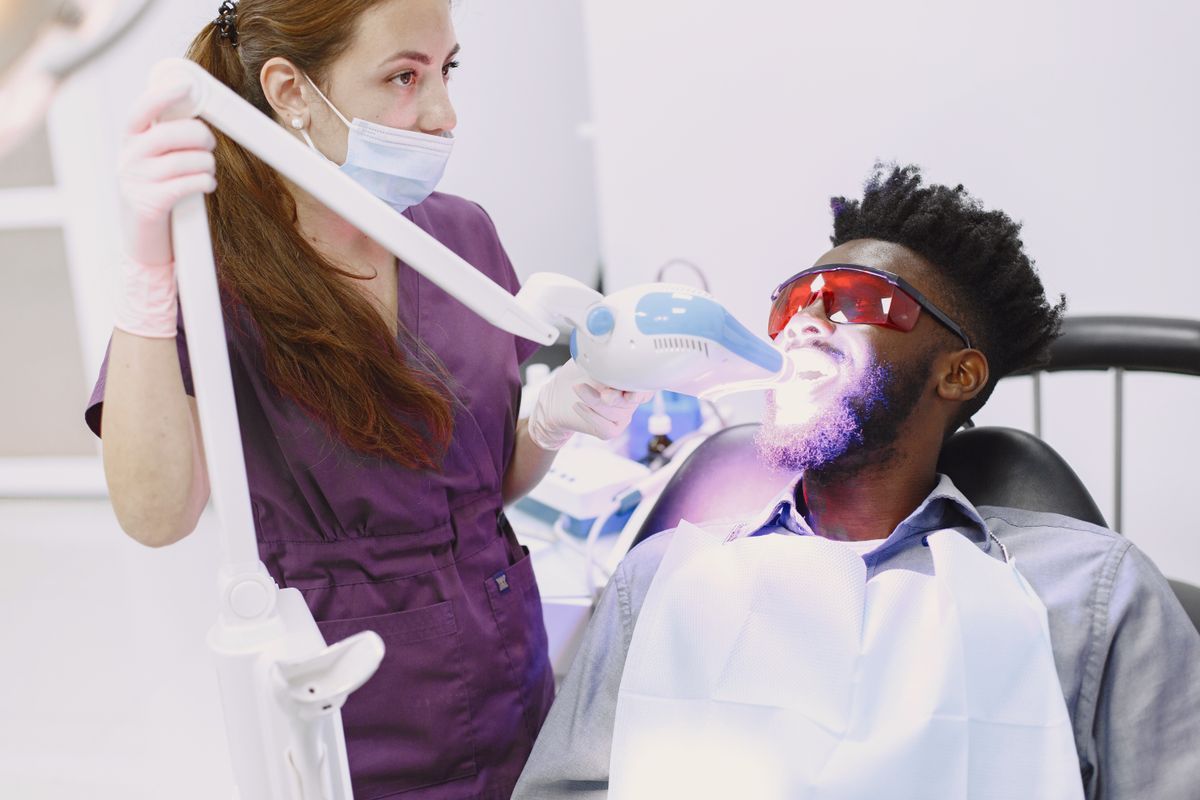
- Using a Curing Light: A special curing light is used to harden the sealant. This process creates a strong, protective barrier.
- Creating Extra Protection: Once hardened, the sealant blocks cavity-causing bacteria and food particles from settling in, significantly reducing the risk of decay.
Are Dental Sealants Toxic?
Dental sealants are generally considered safe. Concerns often involve BPA exposure, but many sealants contain negligible levels of bisphenol A glycidyl methacrylate. Research indicates that the safe use of these products poses minimal health risks.
What Research Says: Are Teeth Sealants Toxic?
Research shows that dental sealants, made from resin-based materials, release very low levels of Bisphenol A (BPA), a chemical used in their production. The amount released is significantly below the safety limits set by agencies like the US Environmental Protection Agency (EPA). Most BPA exposure in everyday life comes from different sources, such as food containers and air, rather than dental products.
A review of recent studies highlights that sealants can release fluoride ions to promote remineralization, confirming their safety and effectiveness. Resin sealants offer higher retention rates than glass ionomer sealants. Proper application, involving good moisture control and accurate surface preparation techniques, further enhances their safety and efficacy.
Who Needs Dental Sealants?
Dental sealants are beneficial for various age groups and dental conditions. Here’s who can gain the most from this protective treatment:
- Children and Teens: Pediatric dentists often recommend sealants for children, especially for their permanent molars, which are more prone to decay.
- Adults with Cavity-Prone Teeth: Adults with deep grooves or pits in their teeth can gain extra protection against decay through sealants.
- Individuals with a History of Cavities: Those who have had multiple cavities in the past may benefit from using sealants to help prevent future issues.
- People with Limited Access to Regular Dental Care: Sealants can provide additional protection for those who may not have frequent dental check-ups, reducing the risk of decay.
- Patients Undergoing Orthodontic Treatments: Sealants can be beneficial for those with braces, helping to prevent decay in hard-to-clean areas.
Benefits and Risks of Dental Sealants
Dental sealants offer both advantages and considerations. Here’s a comprehensive look at their benefits and potential risks:
Benefits | Risks |
Protects against tooth decay on chewing surfaces | Rare allergic reactions to sealant materials |
Provides a physical barrier against bacteria | Improper application may trap existing decay |
Quick and painless procedure | Temporary tooth sensitivity may occur |
Effective especially during cavity-prone years | Sealants may wear down over time and need checks |
Cost-effective preventive measure | Limited protection for areas between the teeth |
Sealants are an effective solution for maintaining oral health, particularly when applied with care by dental professionals. Regular check-ups help maximize their protective benefits while addressing any concerns that might arise.
How to Decide If Dental Sealants Are Right for You
When considering dental sealants, it’s important to evaluate various aspects of your dental health and lifestyle. Here’s a guide to help you with this decision:
Assess Your Dental History
Review your record of cavities and dental procedures. Frequent cavities or restorative treatments suggest that additional measures, like sealants, might be beneficial for maintaining healthy teeth over time.
Evaluate Your Vulnerability to Cavities
Examine your teeth for deep grooves or pits, which can trap food debris and harbor bacteria. If these are present, sealants can effectively shield your teeth from potential decay.
Reflect on Your Lifestyle Habits
Consider factors like diet, sugary food and drink consumption, and your daily oral care routine. If maintaining consistent oral hygiene is challenging due to a busy lifestyle, sealants offer a reliable safeguard against cavities.
Analyze Family Dental Trends
Look into your family’s dental health history for patterns. If there is a family trend of frequent cavities, introducing sealants might help prevent similar occurrences in your own dental care.
Consult with a Dental Professional
Schedule an appointment with your trusted dentist to discuss your concerns and needs. A personalized evaluation will help determine if sealants are the best preventive measure for you. Your dentist can assess your risk factors and provide expert advice tailored to you.
Consider Your Age and Stage of Life
Sealants are particularly beneficial for teens and children during their cavity-prone years. However, adults can also benefit, particularly if they have teeth with deep fissures or a history of decay.
Frequently Asked Questions
Curious about dental sealants? Here are some common questions people ask:
Do Sealants Hurt?
Sealants are applied in a painless process. It involves cleaning the teeth, preparing the surface, and painting on the sealant, typically without discomfort. This simple procedure ensures that both children and adults can easily receive the benefits without any apprehension.
How Long Do Sealants Last?
Dental sealants, known for their durability, can prevent cavities for up to 10 years. However, their longevity depends on regular dental check-ups and care. During visits, your dentist will check the sealants and reapply them if necessary to maintain their protective effect.
Can Sealants Be Removed?
Yes, a dentist can remove sealants if needed. If replacement or adjustment is required, the removal process is straightforward and performed by your dental professional.
Shield Your Teeth From Decay: Book Your Consultation Today!
Are you thinking about dental sealants for your child or yourself? At Esthetic Dental Group of Westport, we’re here to help! Our friendly team offers simple advice to help you decide what’s best for your dental care.
By booking an appointment, you can find out how sealants might protect and maintain your smile. Our trusted experts can answer all your questions and guide you on the best path for healthy teeth. Reach out today, and let’s work together to keep your family’s smiles bright and healthy!