Does Teeth Whitening Damage Enamel? The Short Answer
Professional teeth whitening, done as directed on healthy teeth, does not strip or permanently thin your enamel. The gel changes the color of stain molecules held in and on the enamel. The structure of the enamel stays intact.
If you are wondering whether teeth whitening is safe, the answer depends on how it is done. Whitening supervised by a dentist has a long track record, and dentists report no rise in cavities or cracked teeth among patients who whiten. The most common side effect is short-lived sensitivity.
The real risk sits with overusing store-bought products, where nobody is checking the dose, the timing or the fit. The sections below explain why, so you can decide what is right for your smile.
How Whitening Actually Affects Your Enamel
Enamel is the hard outer shell of each tooth, which is why people worry about anything that touches it. Whitening gel contains peroxide, and as the peroxide breaks down it releases oxygen molecules. Those molecules move into the enamel and react with chromogens, the dark compounds left behind by coffee, tea and red wine. The reaction splits the chromogens into smaller pieces, the color fades and the tooth looks brighter.
Peroxide does leave a small mark on that outer shell, and the mark is temporary. Laboratory research tested several in-office bleaching protocols on bovine teeth, using hydrogen peroxide at 15% to 35%, with and without light. Every protocol lowered the hardness of the enamel surface after 24 hours. After seven days in artificial saliva, surface hardness returned to normal for every bleached sample.
Saliva carries calcium and phosphate, and enamel takes those minerals back up. That natural remineralization rebuilds the surface in about a week, which explains why supervised whitening does not leave lasting harm.
The same research found the largest dip with the strongest gel combined with light. Gel strength and timing matter, and a dentist chooses both for your teeth. Because the study used bovine teeth in a lab, it shows how the process works, and results from one mouth to the next can vary.
Sensitivity Isn't the Same as Damage
Many people feel a zing of sensitivity during or after whitening and assume the enamel is wearing away. The two are separate. Peroxide passes through the enamel to the inner layers of the tooth, and the tooth reacts for a short time. The sensation usually fades within a few days as the tooth settles.
This is where the question of whether teeth whitening is safe gets its most honest answer. Sensitivity is common, and it is temporary. Gum irritation is also common and tends to clear quickly. Neither one is a sign that enamel has been lost.
A few habits ease the discomfort. Desensitizing toothpaste, used in the days before and after treatment, calms the nerve inside the tooth. Spacing out sessions gives your teeth time to recover between rounds of gel. Sipping room-temperature drinks for a day or two keeps hot and cold from setting off a twinge.
When a dentist manages your whitening, the plan can be adjusted if your teeth are sensitive. A lower-strength gel or shorter sessions can make the treatment more comfortable. Home kits offer little room for that kind of adjustment.
Professional Whitening vs. Store-Bought Kits: Where the Real Risk Is
Teeth whitening safety comes down to supervision, product strength and fit. Store-bought strips, gels and trays come in one size for every mouth. They can slip onto the gums and irritate them, and nobody is watching how often you use them. A few extra days of wear or a second box in the same month feels harmless, yet that pattern is where trouble starts.
Dental experts have warned that continuous use of over-the-counter strips, pens and gel-filled trays has been shown to damage enamel and gums, cause sensitivity and make teeth look see-through, which can reveal the yellow layer underneath. Occasional bleaching tends to reverse through remineralization from saliva and diet. Regular overuse can lead to erosion. Their advice for people who want whiter teeth is professional treatment once or twice a year.
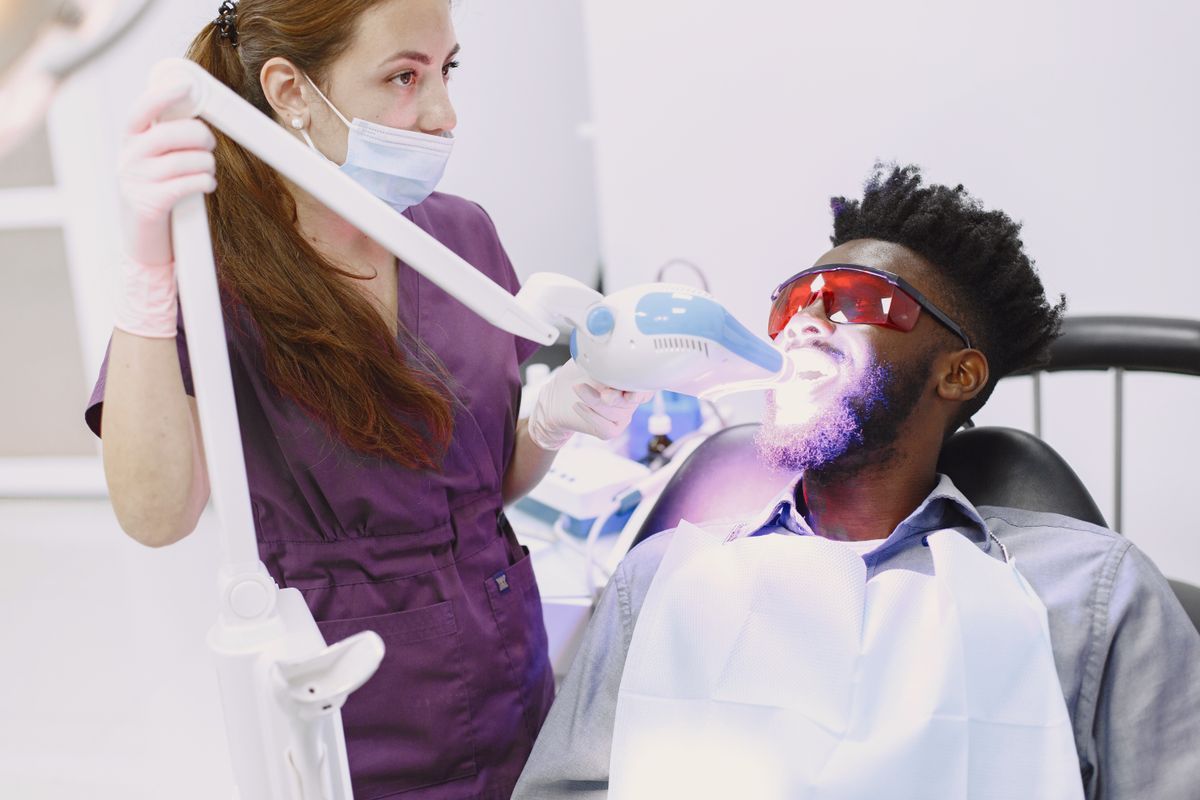
Professional whitening starts with an exam. Your dentist checks for cavities, cracked teeth and gum disease before any gel is applied. Custom-fit trays and careful isolation keep the gel on the teeth and off the soft tissue. The dose is chosen for you and monitored, so you finish when the treatment is complete.
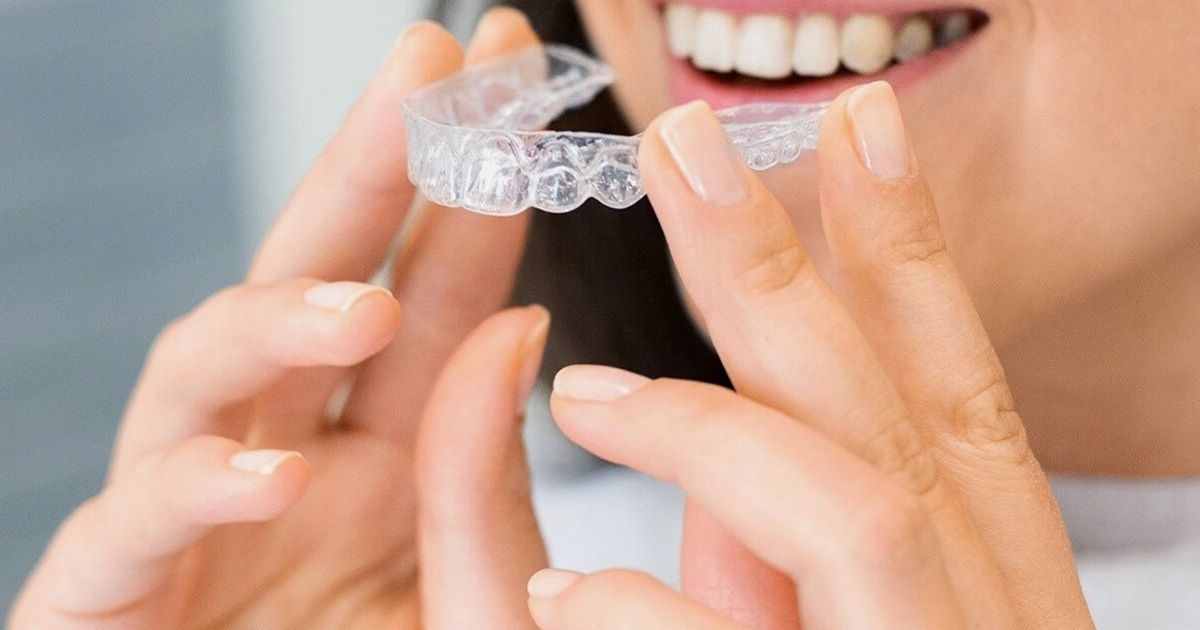
At Esthetic Dental Group of Westport, Dr. Regenstein offers Zoom in-office whitening, which brings noticeable results in about an hour. Patients who prefer to whiten at home can use custom take-home whitening under our guidance. Some patients combine both methods. In every case, the dentist assesses your teeth and gums first.
How to Whiten Safely
A few steps keep whitening comfortable and protect your enamel:
- Schedule a dental exam first, so cavities and gum disease are treated before whitening begins.
- Follow product instructions exactly, including the length of each session and the number of days.
- Resist doubling up sessions to speed up results.
- Brush with a fluoride toothpaste and avoid very hot or very cold food and drinks for a day or two after treatment.
- Call your dentist if sensitivity lasts beyond a few days or the pain is severe.
Cavities, gum disease and cracked teeth all need attention before whitening, because gel can reach sensitive areas through them. Brown or gray discoloration may also come from inside the tooth, and bleaching does little for it. Dentists can cover that kind of discoloration with porcelain veneers when whitening is not the right fit.
Ready for a Brighter, Healthier Smile?
Whitening works best when it begins with a look at the health of your teeth and gums. At Esthetic Dental Group of Westport, professional teeth whitening in Westport, CT includes Zoom in-office treatment with visible results in about an hour, along with custom take-home options. Both begin with an exam, so your smile is brightened safely on healthy teeth.
If you would like a whiter smile with a dentist guiding each step, Request an Appointment and we will plan your treatment together.