Cavities do not always show up because someone skipped brushing or ate too much candy. Very often, they develop in the places that are hardest to keep clean: the deep grooves and pits on the chewing surfaces of molars. Even people with solid brushing habits can miss those narrow channels day after day. That is where dental sealants can make a real difference.
Sealants are one of the simplest tools in preventive dentistry, but they do a lot of heavy lifting. They create a thin protective barrier over vulnerable tooth surfaces, helping block out food particles, plaque, and bacteria before decay has a chance to settle in. For children, they can offer early protection at exactly the stage when permanent molars first come in. For adults, they can be a smart option for teeth that seem to attract trouble no matter how careful home care is.
At Esthetic Dental Group of Westport, prevention is not treated like an afterthought. It is the foundation. If you want a practical way to lower cavity risk before fillings become part of the conversation, learning more about dental sealants is a good place to start.
What Are Dental Sealants?
Dental sealants are thin, protective coatings that are applied to the chewing surfaces of back teeth, especially the molars and premolars. These teeth do most of the grinding when you eat, and because of that, their surfaces are not flat and simple. They are full of tiny grooves, ridges, and pits. Think of them like the tread on a tire: useful for function, but excellent at trapping debris.
A toothbrush can clean the high points of those surfaces fairly well, but the deeper grooves can be stubborn. Even careful brushers often leave behind food particles and bacteria in those tight spaces. Sealants flow into those grooves and harden, creating a smoother, protected surface that is easier to keep clean and less likely to develop decay.
Most sealants are made from a safe dental resin material. Once bonded to the tooth, they act like a raincoat for enamel. They do not replace brushing, flossing, or regular checkups, but they give cavity-prone teeth an extra layer of defense where they need it most.
How Do Sealants Prevent Cavities?
Cavities form when bacteria feed on sugars and starches left on the teeth and produce acids that wear down enamel. That process is especially common in the back teeth because they are harder to clean and naturally collect more debris. Molars are the usual suspects in the cavity lineup for a reason.
Sealants help by sealing off the vulnerable grooves where plaque likes to hide. When those pits and fissures are covered, bacteria have fewer places to settle in and start causing damage. It is less about making teeth invincible and more about removing the conditions decay loves.
This is why sealants are considered a preventive treatment rather than a restorative one. Instead of waiting for a cavity to form and then treating it with a filling, sealants help stop the problem before it starts. In many cases, that means fewer dental procedures, less discomfort, and lower long-term treatment costs.
How the Application Process Works
One of the best things about sealants is how quick and painless the process is. There is no drilling, no numbing, and usually no stress. For children especially, that matters. It turns prevention into something easy instead of something intimidating.
The process typically starts with a careful cleaning of the tooth. The surface needs to be free of plaque and debris so the sealant can bond properly. After the tooth is dried, a special solution is placed on the chewing surface for a short time. This gently prepares the enamel so the sealant can adhere more securely.
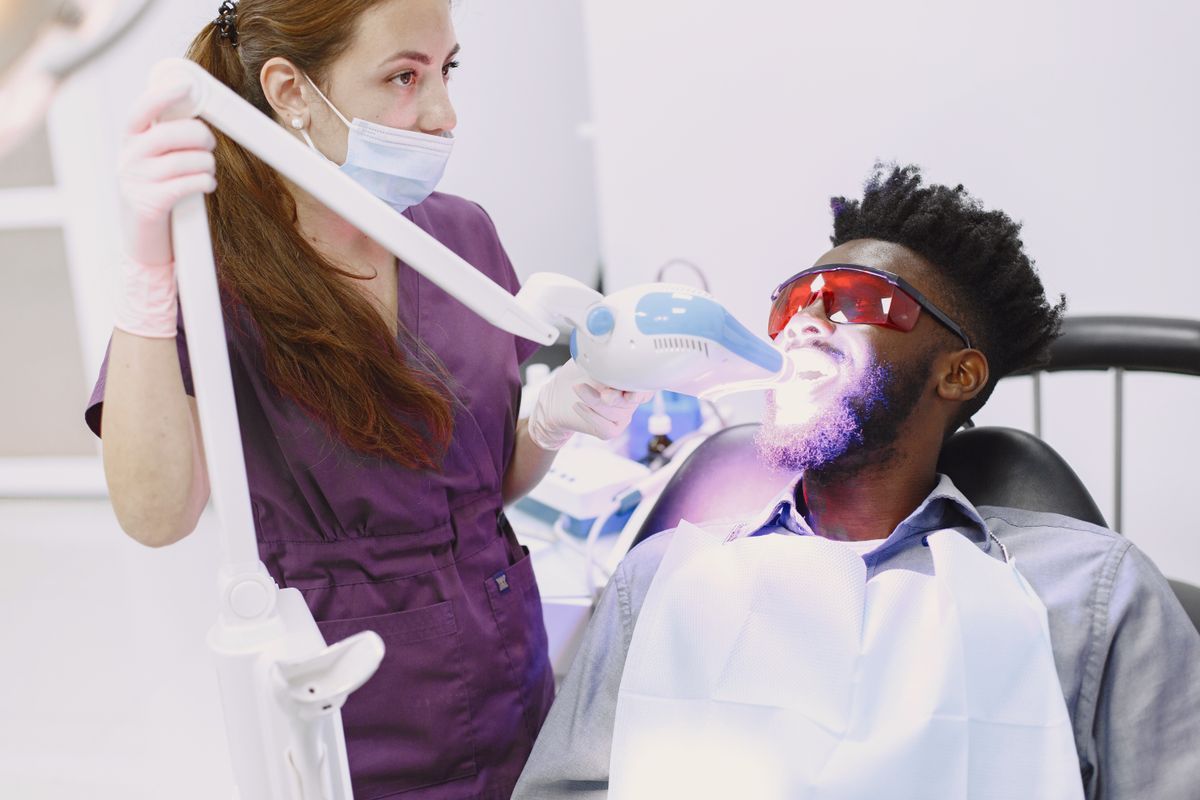
Next, the tooth is rinsed and dried again, and the sealant material is painted onto the grooves of the tooth. It is a little like applying a very thin protective varnish. Once it is in place, a curing light may be used to harden the material. After that, the sealant is set and ready to do its job.
The full appointment is usually brief. In many cases, multiple teeth can be treated in one visit. Patients can go right back to school, work, errands, or whatever the day had planned. There is no recovery period and no dramatic after-story. It is one of those rare dental treatments that is genuinely as straightforward as it sounds.
Why Children Often Benefit the Most
Children are some of the best candidates for sealants because their newly erupted permanent molars are especially vulnerable to decay. The first permanent molars usually come in around age 6, and the second set often arrives around age 12. Those teeth are meant to last for decades, so protecting them early can have a long ripple effect.
New molars are cavity magnets. They come in with deep grooves, and kids are still building strong brushing habits and hand skills. Even when they are trying, they may not be cleaning those back teeth thoroughly. Add in snacks, sports drinks, and the occasional rushed bedtime routine, and you have a perfect setup for decay.
Sealants give those teeth a head start. Instead of waiting to see whether a cavity develops, dentists can protect the surfaces most at risk while the teeth are still healthy. It is a practical move, not an aggressive one. In many families, it becomes part of the regular preventive plan, like cleanings and fluoride.
Parents also tend to appreciate the simplicity. A short, painless visit now can help avoid fillings later. That is a trade most people are happy to make.
Adults Can Benefit Too
Sealants are often associated with kids, but adults can benefit from them as well. If you have deep grooves in your molars, a history of cavities, early signs of wear, or areas that are difficult to keep clean, sealants may still be a smart preventive option.
Some adults are simply more cavity-prone than others. Dry mouth, diet, medications, enamel weakness, or crowded teeth can all raise cavity risk. Even someone who brushes and flosses faithfully may have one or two back teeth that seem to keep finding trouble. In those cases, sealants can act like a strategic reinforcement rather than a blanket treatment.
Adults who have not had decay or fillings on certain molars may be candidates for sealants if those tooth surfaces remain vulnerable. It is not about age as much as risk. A tooth with deep fissures does not suddenly become easy to clean just because the person brushing it has a mortgage.
A dentist can evaluate whether sealants make sense based on the condition of the teeth, existing restorations, and your overall preventive needs. For the right adult patient, the benefit is very real.
How Long Do Dental Sealants Last?
Dental sealants are durable, but they are not permanent. In general, they can last for several years, especially when they are well placed and checked regularly during routine dental visits. Some may last close to a decade, while others may need touch-ups or replacement sooner depending on wear.
Chewing pressure, grinding, bite patterns, and daily habits all affect longevity. Back teeth do a lot of work, and over time, sealants can wear down or chip. That does not mean the treatment failed. It simply means the protective coating should be monitored, just like any other part of preventive care.
During checkups, your dentist can inspect the sealants to make sure they are still intact and doing their job. If one has partially worn away, it can often be repaired or replaced without much fuss. This is another reason regular preventive visits matter. Sealants are not a “set it and forget it forever” treatment, but they are low-maintenance and easy to monitor.
Do Sealants Replace Brushing and Flossing?
No. Sealants are a supplement to good oral hygiene, not a substitute for it. They protect specific surfaces of certain teeth, mainly the chewing surfaces of molars. They do not cover every part of the mouth, and they do not prevent gum disease, plaque buildup along the gumline, or cavities between teeth.
That means brushing twice a day with fluoride toothpaste still matters. Flossing still matters. Professional cleanings still matter. Regular exams still matter. Preventive dentistry works best when each piece supports the others.
A good way to think about it is this: sealants are like weatherproofing the most exposed parts of a house. That is smart and worthwhile, but you still need to clean, maintain, and inspect the rest of the property. Oral health works the same way.
How Sealants Fit Into a Preventive Dental Routine
The strongest preventive approach is layered. Instead of relying on one single solution, you build protection from multiple angles. Sealants fit into that approach beautifully because they target a very specific weakness: the vulnerable anatomy of back teeth.
A preventive routine may include regular exams, professional cleanings, digital imaging when needed, fluoride exposure, home hygiene coaching, and nutrition guidance. Sealants add another line of defense for the teeth most likely to develop chewing-surface cavities. They are especially useful for patients whose molars have deep grooves or a history of early decay.
At a practice focused on prevention, sealants are not offered randomly. They are recommended when they make clinical sense and when they can help preserve healthy tooth structure. That is the larger goal: keeping teeth healthy and intact for as long as possible, ideally by avoiding restorative treatment whenever possible.
For families in Westport and the surrounding Fairfield County area, that preventive mindset can be especially valuable. Busy schedules make it easy to delay care until something hurts. Sealants are the opposite of that approach. They are proactive, efficient, and designed to help stop small problems from becoming bigger ones.
Are Dental Sealants Safe?
Yes, dental sealants are widely used and considered safe. They have been part of preventive dentistry for many years and are recommended by major dental organizations as an effective way to reduce cavity risk, especially in children.
Some patients ask about the materials used in sealants, which is understandable. Your dentist can explain what type of sealant material is being used and whether it is appropriate for your needs. In practice, sealants have an established track record and are used routinely because the benefit is clear: fewer cavities in vulnerable teeth.
If you have questions about materials, application, or whether sealants are right for you or your child, it is always worth asking. Good preventive care is not just about treatment. It is also about understanding why that treatment is being recommended.
Signs You or Your Child May Be a Good Candidate
There is no single profile that fits every sealant patient, but a few patterns show up often. Children with newly erupted permanent molars are common candidates. So are teens who have deep grooves in their back teeth or a history of cavities.
Adults may be good candidates if they have cavity-prone molars without existing fillings in those grooves, difficulty cleaning the back teeth well, dry mouth, or repeated decay in similar areas. Some people simply have tooth anatomy that works against them. The grooves are narrow, deep, and stubborn, and plaque keeps winning the battle. Sealants can shift the odds.
A dental exam is the best way to determine whether sealants are appropriate. The recommendation should be based on the shape and condition of the teeth, not just age. Preventive care works best when it is personalized.
A Simple Treatment That Can Prevent Bigger Problems
There are dental treatments that are complex, technical, and time-intensive. Sealants are not one of them. Their value comes from their simplicity. They are fast, comfortable, and targeted, and they can help patients avoid the far more complicated path of decay, fillings, and repeat repair over time.
That is what makes them so appealing. A few minutes of prevention today can help protect the natural tooth structure for years. For kids, that may mean fewer cavities during the school years. For adults, it may mean finally protecting the molars that always seem to need attention.
At Esthetic Dental Group of Westport, preventive dentistry is about helping patients stay ahead of problems, not just fixing them once they appear. If you are wondering whether sealants could benefit you or your child, learn more about the practice’s dental sealants service and schedule a visit to discuss the best preventive plan for your smile.